Personal Loan vs Credit Card Refinancing: Which Should You Choose?
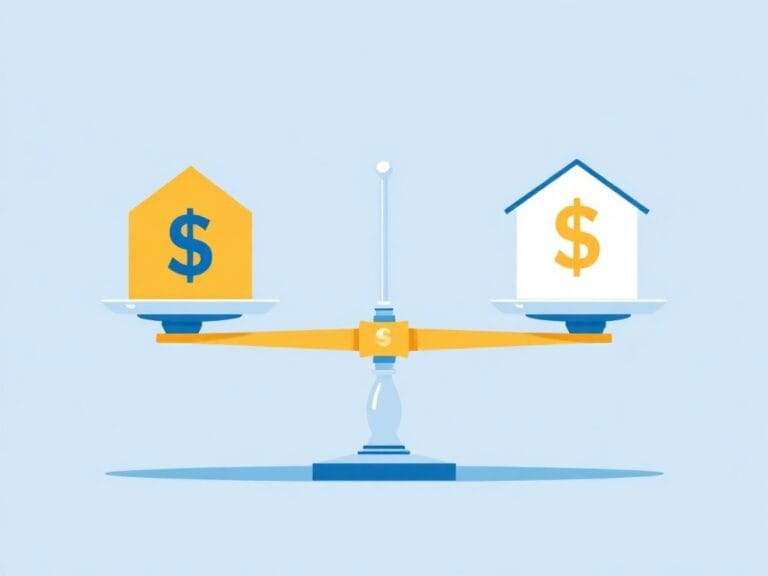
If you’re trying to get out from under high-interest debt, the personal loan vs credit card refinancing decision usually comes down to two questions: do you want a fixed payoff plan, or do you want short-term flexibility? A personal loan typically gives you a lump sum, a fixed monthly payment, and a clear end date. Credit card refinancing, on the other hand, often means moving balances to a lower-rate card or promotional offer so you can reduce interest for a limited time.
Neither option is automatically better. The right choice depends on how much you owe, your credit score, how quickly you can repay, and whether you want predictable structure or a temporary rate break. Below, we’ll compare both options side by side so you can choose the one that fits your situation instead of just chasing the lowest headline rate.
Quick Overview
Personal Loan
A personal loan is an installment loan that gives you a lump sum upfront, which you then repay in fixed monthly installments over a set term. For debt consolidation, that means you can replace several credit card balances with one payment and a payoff schedule you can plan around.
This is often the more comfortable option if you like structure. It can also help when you want to simplify repayment without worrying about promotional deadlines. If you’re also deciding how debt payoff fits into your broader financial plan, this related guide on paying debt vs investing may help you think through the tradeoff.
Credit Card Refinancing
Credit card refinancing usually means moving existing card debt to a lower-cost option, such as a balance transfer card or another revolving credit product with a promotional APR. The goal is to reduce interest long enough to make meaningful progress on the balance.
This can work well for borrowers with strong credit and a realistic payoff plan. It’s less about borrowing new money and more about improving the terms on debt you already have. For an official overview of how credit cards and APRs work, see the Federal Reserve.
Key Differences
| Feature | Personal Loan | Credit Card Refinancing |
|---|---|---|
| Structure | Installment loan with fixed payments and a fixed term | Usually a balance transfer or promotional-rate credit product for revolving debt |
| Interest rate | Typically fixed, though some lenders offer variable rates | Often starts with a 0% or low introductory rate, then reverts to a higher APR |
| Fees | May include origination fees and late fees | Often includes balance transfer fees and possible annual fees |
| Minimum borrowing amount | Usually a set minimum loan amount from the lender | Limited by the card’s credit limit and transfer rules |
| Repayment predictability | High, because the payment and payoff date are known | Lower, because the promo period can end before the balance is paid off |
| Best for | Large balances, multiple debts, and borrowers who want a set payoff plan | Short-term payoff plans and borrowers who can qualify for promotional offers |
| Credit score impact | Can help if it lowers utilization and you pay on time | Can help if it reduces utilization and you avoid adding new card debt |
| Ease of use | Simple monthly repayment after funds are disbursed | Simple if you use a transfer offer correctly, but timing matters |
Before you decide, it helps to estimate the payoff timeline instead of guessing. A quick look with the ROI Calculator or a debt payoff worksheet can show how much interest you may save by refinancing compared with staying on your current card terms.
Quick rule of thumb
If you can pay the debt off within the promotional period, credit card refinancing can be very efficient. If you need more than 12 to 24 months to repay, a personal loan usually gives you more certainty.
Personal Loan: Pros and Cons
Pros
- Fixed monthly payments make budgeting easier.
- Set payoff date helps you see the end of the debt clearly.
- Can consolidate multiple balances into one loan payment.
- May offer lower APR than a standard credit card if your credit is solid.
- Reduces temptation because the loan is not reusable once paid down.
Cons
- Origination fees can reduce the savings from a lower rate.
- May require good credit to qualify for competitive pricing.
- Less flexibility than a revolving credit line if you need to borrow again.
- Can be a poor fit if your payoff horizon is very short and a 0% transfer is available.
If you want to see how interest builds when debt hangs around, the Compound Interest Calculator can help you visualize how quickly unpaid balances become expensive over time.
Credit Card Refinancing: Pros and Cons
Pros
- Potentially very low introductory APR, sometimes 0%, for a limited period.
- Can be cheaper upfront if the transfer fee is small relative to the interest saved.
- Fast interest savings when the balance is paid before the promo ends.
- Useful for smaller balances that can be eliminated quickly.
- No need for a new installment loan if you prefer to keep debt within a card framework.
Cons
- Promotional rates expire, and the APR can jump sharply afterward.
- Balance transfer fees often apply, reducing the net benefit.
- Risk of new spending can undo progress if you keep using the original cards.
- Credit limit constraints may prevent you from transferring the full balance.
- Requires discipline to pay off the debt before the promotional window closes.
Watch the fine print
A low introductory rate is not the same as a low long-term borrowing cost. Always check the transfer fee, the length of the promo period, and the APR that applies after the offer ends.
It’s worth doing the math before you apply. For example, if you carry $8,000 on a card at 24% APR, the annual interest cost is roughly $1,920 before you even make progress on principal. If a transfer offer charges a 3% fee, that’s $240 upfront, which may still be worth it if you can wipe out the balance quickly enough.
If you want to work backward from a debt-free deadline, the Savings Goal Calculator can help you estimate the monthly amount needed to hit that target.
Which One Should You Choose?
The best choice depends on how long you need to repay the debt and how much structure you want along the way. In general, a personal loan is better if you want certainty, a fixed payoff schedule, and one monthly payment for a larger balance. Credit card refinancing is better if you qualify for a strong promotional offer and can realistically pay the balance off before the rate increases.
Beginners often do better with a personal loan because the repayment plan is easier to understand and harder to mismanage. The fixed term also lowers the risk of carrying debt longer than expected.
Long-term planners should compare the total cost over the full repayment period. If a personal loan gives a lower all-in cost after fees, it can be the smarter choice even if the monthly payment is a little higher.
Higher-risk borrowers who are comfortable with timing, discipline, and payoff speed may benefit from credit card refinancing, especially with a 0% balance transfer. But that strategy works best only if the balance is paid down aggressively and no new card debt is added.
For a broader view of how debt payoff fits into your financial plan, this article on high-yield savings vs investing can help you balance emergency reserves with debt reduction priorities.
Here’s the simplest way to think about it:
- Choose a personal loan if you need 12+ months to repay, want fixed payments, or are consolidating multiple debts.
- Choose credit card refinancing if your balance is manageable, your credit is strong, and you can pay it off during the promotional period.
- Avoid both if you plan to keep adding new card charges, because that can make the debt cycle worse instead of better.
Estimate Your Payoff Plan
See how much you need to set aside each month to clear debt on schedule.
Common Mistakes to Avoid
- Ignoring fees and focusing only on the interest rate.
- Choosing a promo offer without a realistic payoff plan.
- Using the original credit cards again after refinancing the balance.
- Extending the payoff timeline so long that interest savings disappear.
- Not checking credit score requirements before applying.
A simple cost check
Compare the total cost, not just the monthly payment. Add transfer fees, loan origination fees, and the interest you expect to pay over the full repayment period.
Frequently Asked Questions
Is a personal loan cheaper than credit card refinancing?
Not always. A personal loan may be cheaper if it offers a lower APR and modest fees, but a balance transfer card can be less expensive if you pay off the balance during the promotional period. The total cost depends on fees, repayment speed, and the interest rate after any introductory offer ends.
Does credit card refinancing hurt your credit score?
It can have a temporary effect, especially if the lender performs a hard inquiry or if you open a new account. Over time, it may help if it lowers your credit utilization and you make on-time payments.
What is better for beginners?
A personal loan is usually better for beginners because it is easier to manage. The fixed payment and fixed payoff date reduce the chance of missing a deadline or carrying debt longer than planned.
What is better for higher-risk borrowers?
Credit card refinancing can suit higher-risk borrowers who are confident they can repay quickly and avoid new spending. However, it is less forgiving if the balance remains after the promotional rate expires.
Can I use credit card refinancing for long-term debt?
It is possible, but it is usually not ideal. Credit card refinancing works best for short-term payoff goals, while long-term debt is often better matched with a personal loan or another fixed-term repayment option.
For readers who want to compare debt payoff with future growth potential, the Investment Return Calculator can help estimate what money might do if invested instead of used for debt reduction.
Compare Long-Term Cost Scenarios
Model how different repayment choices can affect your total interest cost and payoff timeline.
Conclusion
In the personal loan vs credit card refinancing comparison, the better option is the one that matches your payoff timeline and discipline level. Personal loans are usually stronger for structure, predictability, and larger balances, while credit card refinancing can be a smart short-term move when the promotional terms are favorable and the debt can be paid quickly.
If you want a clear finish line, go with the personal loan. If you want the lowest possible short-term interest cost and can repay fast, credit card refinancing may be the better fit.
For additional context and source verification, see SEC investor education resources.
Disclaimer
The information in this article is for educational purposes only and should not be considered financial advice. Always do your own research or consult a financial advisor before making investment decisions.
Last updated: September 7, 2026
Educational notice: This article is for educational purposes only and is not investment, tax, or legal advice. Read the full disclaimer.