How to Invest in Art, Wine, and Collectibles Wisely
Investing in art, wine, and collectibles can be exciting, but it is very different from buying stocks or bonds. This guide explains how to invest in art, wine, and collectibles wisely, so you can understand the risks, spot value, avoid common traps, and build a plan that fits your budget and goals.
By the end, you will know how these assets are valued, how to estimate potential returns, how to check authenticity and storage costs, and how to decide whether a purchase makes sense for your portfolio. If you want to compare this type of investment with more traditional choices, you may also find our guide on using an ROI calculator when choosing between two paths helpful early on.
Estimate Your Return
Use a calculator to compare the possible return from a collectible purchase against other investments.
What is investing in art, wine, and collectibles?
Investing in art, wine, and collectibles means buying physical items that may increase in value over time because they are rare, desirable, historically important, or limited in supply. These assets can include paintings, prints, vintage wine, watches, trading cards, coins, handbags, sneakers, and other items with a collector market.
Unlike shares in a company, these assets do not usually produce regular income. Their value depends on what another buyer is willing to pay later, so they are often called alternative investments. That makes them more subjective than stocks, and often less liquid, meaning they can take longer to sell.
How they differ from traditional investments
Traditional investments often have transparent pricing, dividends, and regulated markets. Collectibles usually have wider price spreads, more transaction fees, and higher uncertainty about future demand. For example, a stock can be sold in seconds during market hours, while a rare bottle of wine may need a specialist auction or private buyer.
That does not mean they should be ignored. It means you need a stricter process, realistic expectations, and a clear budget. If you are still building your broader financial plan, it is worth checking your overall allocation using an investment return calculator before adding collectibles.
Why investing in art, wine, and collectibles matters
These assets matter because they can offer diversification, inflation protection in some cases, and access to markets that behave differently from stocks and bonds. During periods when financial markets are volatile, some collectors also value the emotional benefit of owning something tangible.
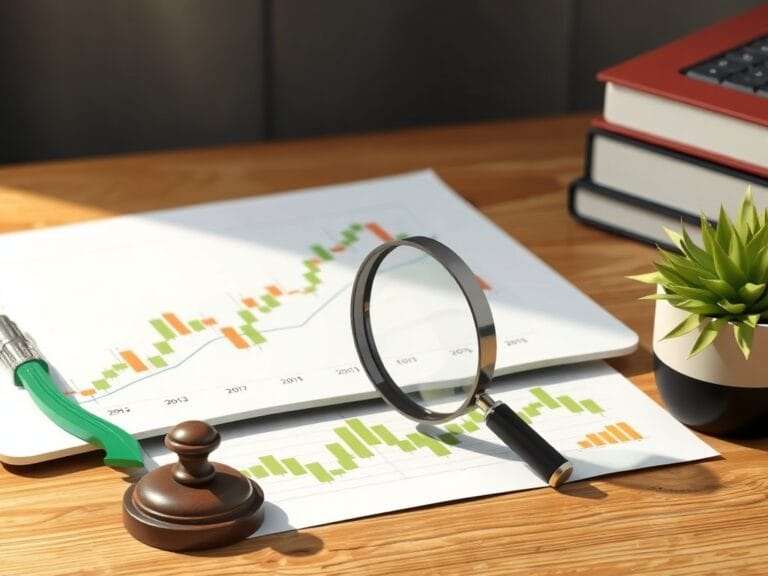
Data shows that this market is real, but uneven. The Art Market Report by Art Basel and UBS has repeatedly estimated the global art market at tens of billions of dollars annually, with private sales and auction activity forming a major part of that ecosystem. Meanwhile, indices such as the Liv-ex Fine Wine 100 have shown that wine prices can rise and fall materially over time, with double-digit moves in some years. Collectibles markets can outperform in niche periods, but they can also underperform sharply when demand cools.
Academic research on collectibles often finds that average returns are highly variable and usually lower than people expect once fees, insurance, and storage are included. In practice, the biggest advantage is not guaranteed performance; it is the ability to own scarce assets that may hold value differently from mainstream markets.
For a broader comparison of investment performance, you can also review how to predict long-term outcomes with an investment return calculator. That helps you compare a collectible purchase with a more conventional investment over time.
Reality check on returns
Do not assume a rare object will appreciate just because it is old or expensive. A collectible can lose 20% to 50% of its value if demand weakens, authenticity is questioned, or resale channels are limited.
How investing in art, wine, and collectibles works
The basic idea is simple: you buy an item at a price you believe is below its future market value, hold it while demand develops, and later sell it to a buyer who values it more highly. The challenge is that pricing is not standardized. Two identical-looking items can have very different values depending on condition, provenance, edition size, storage history, and market timing.
Provenance means ownership history. For art, provenance and artist reputation matter a great deal. For wine, critics’ scores, vintage quality, and storage conditions matter. For collectibles, rarity, grading, and completeness of documentation can make or break resale value.
Worked numerical example
Suppose you buy a limited-edition print for $2,000. You pay $150 in shipping and insurance, $100 for framing, and later $250 in selling fees. Your total cost becomes $2,250. If you sell the print three years later for $3,000, your profit is $750 before taxes.
Your simple return is $750 divided by $2,250, or about 33.3% over three years. That sounds attractive, but if you also factor in annual storage, insurance, and the opportunity cost of money, the true annualized return is lower. If comparable low-risk investments could have earned 5% a year, your collectible needs to beat that hurdle after all costs.
This is why a collectible should be evaluated like any other investment: purchase price, carrying cost, selling cost, and likely exit price all matter. If you want a quick way to test scenarios, use the ROI calculator and then compare the result with a normal market investment.
Check Your Scenario
Compare purchase price, fees, and resale value before you buy art, wine, or collectibles.
Step-by-Step Guide
1. Set a clear budget and investment goal
Decide whether you want enjoyment, diversification, or speculative upside. This matters because a piece you love and a piece you plan to flip are not always the same choice.
Why this step matters: collectible markets are illiquid, so you should only invest money you can leave untouched for years. A practical rule is to keep this category small, often 5% or less of your total investable assets if you are a beginner.
Example: If you have $40,000 to invest, a 5% cap means $2,000 for art, wine, or collectibles. That budget is enough to buy a single entry-level piece or a few lower-cost items without overexposing your portfolio.
2. Learn the market before buying
Study recent sales, auction results, dealer listings, and specialist price guides. In art, look at the artist’s auction history and exhibition record. In wine, examine vintage charts, critic scores, and storage requirements. In collectibles, check grading standards, rarity, and recent completed sales rather than asking prices.
Why this step matters: asking prices can be inflated, but completed sales show what buyers actually paid. That difference can be significant, especially in niche markets where sellers anchor to unrealistic prices.
Example: If a watch dealer lists a model at $8,500 but recent auction comps show $6,900 to $7,200, the real market price may be closer to the lower range. Paying the list price without checking comps could reduce your future return by 15% or more.
3. Verify authenticity and condition
Always confirm authenticity before buying. For art, ask for certificates, provenance documents, and expert opinions. For wine, check fill level, label condition, capsule integrity, and storage records. For collectibles, use third-party grading or authentication when available.
Why this step matters: authenticity problems can destroy resale value. Even a small condition issue can reduce value materially, especially for high-end items where buyers pay premiums for pristine examples.
Example: A graded trading card in mint condition may sell for $1,200, while the same card with visible wear might only bring $700. That $500 gap is the cost of poor condition awareness.
4. Include all holding costs
Many beginners focus on the purchase price and forget the ongoing costs. Art may need climate control, insurance, and professional framing. Wine may require temperature-controlled storage and specialist insurance. Collectibles may need grading, secure storage, or periodic authentication.
Why this step matters: holding costs can quietly reduce your return by several percentage points per year. A 10% gross gain can become a much smaller net gain after expenses.
Example: You buy wine for $1,500 and pay $120 a year for storage plus $60 for insurance. After two years, your extra carrying cost is $360. If you sell for $1,850, your gross profit is $350, but your net result after carrying costs is actually a $10 loss before taxes and commissions.
5. Plan your exit before you buy
Know how you will sell the item. Will you use an auction house, a dealer, a marketplace, or a private sale? Each route has different fees, timelines, and buyer pools.
Why this step matters: an asset is only valuable if you can turn it into cash on acceptable terms. Liquidity risk is one of the biggest dangers in this space.
Example: If an auction house charges a 20% seller’s commission and you expect to sell a painting for $5,000, your net proceeds could fall to $4,000 before other costs. If you paid $4,200 to acquire it, your apparent gain becomes a real loss.
6. Track performance against alternatives
Measure your collectible return against other uses of the same money. Compare it with a savings account, index fund, or even a bond ladder, depending on your risk tolerance. This is how you avoid falling in love with an item and ignoring the numbers.
Why this step matters: a collectible that rises in price may still underperform a simpler investment once all costs are included. Tracking performance helps you learn which categories you understand best.
Example: If you buy a bottle of wine for $400 and sell it four years later for $600, your gross gain is 50%. But if storage, insurance, and auction fees total $120, your net gain is only $80, or 20% total. A basic compounding benchmark may have done better.
Use a benchmark
Compare every purchase against a simple benchmark like a broad-market return or a risk-free savings rate. If the collectible cannot plausibly beat that benchmark after fees, skip it.
Tips for Success
Start small and specific
Begin with one category you understand best, such as modern prints, entry-level wine, or graded cards. Keep your first purchase under $1,000 to $2,500 so mistakes stay affordable.
Watch the fee stack
Try to keep total transaction, storage, insurance, and selling costs below 15% of expected resale value. If costs are higher than that, your upside shrinks quickly.
Buy quality over quantity
One well-documented item with strong demand is usually better than five random items with weak resale prospects. Scarcity plus documentation often matters more than size or age.
Avoid leverage
Do not borrow money to buy art, wine, or collectibles as a beginner. If the asset value falls 20% and you still owe interest, the loss can compound fast.
Keep records
Save invoices, certificates, shipping receipts, insurance policies, and photos. Good records can improve resale confidence and reduce disputes.
Common Mistakes to Avoid
Paying retail without comparing recent sales. Many beginners buy from dealers at a premium and later discover that market comps were much lower. Overpaying by 10% to 25% can erase years of expected appreciation.
Ignoring storage and insurance. Wine stored incorrectly can become undrinkable, and art damaged by humidity can lose significant value. A $3,000 painting damaged by poor storage can become worth far less, while a few hundred dollars in prevention may have avoided the loss.
Buying based on hype. Trends can be powerful, but they fade. A collectible that doubled in a hot market can fall back 30% or more when the trend cools.
Assuming rarity equals value. Rare does not always mean desirable. If only a few buyers care about the item, resale can be difficult and pricing weak.
Forgetting exit fees. Auction commissions, marketplace fees, and shipping can easily take 10% to 30% of proceeds. A $10,000 sale can net far less than expected once all charges are deducted.
Using money needed soon. Because these assets may take months to sell, they are not suitable for emergency savings. If you need a more liquid reserve, review how to build a 6-month emergency fund on any income first.
Frequently Asked Questions
Is investing in art, wine, and collectibles safe?
No investment is completely safe, and these assets are usually riskier than diversified stock and bond portfolios. They can be rewarding, but only if you understand authenticity, pricing, and liquidity risk. Beginners should keep the allocation small.
How much money do I need to start?
You can start with a few hundred dollars in some collectible categories, but a better beginner range is often $500 to $2,500. That is enough to buy something with resale potential while keeping mistakes manageable.
Which is best: art, wine, or collectibles?
The best choice depends on your knowledge, storage ability, and market access. Art is often more subjective and expensive, wine has storage and aging constraints, and collectibles can be easier to price but sometimes more trend-driven.
How do I know if a collectible is overpriced?
Compare the asking price with recent completed sales, not just listings. If the asking price is 20% above recent sold comps without a clear reason, it may be overpriced.
Can I make passive income from these assets?
Usually not in the same way you can with dividends or rental property. Most value comes from price appreciation, not ongoing cash flow. If you want to compare income-producing assets, see how to estimate passive income growth with a dividend calculator.
Plan Your Investment Mix
See how a collectible purchase fits alongside your broader financial goals and expected returns.
For a more complete financial comparison, you can also use the compound interest calculator to see how a conventional investment may grow over time versus a collectible with uncertain appreciation.
External sources: For current market context, review the Art Basel and UBS Art Market Report and the Liv-ex wine market data. For regulatory and consumer guidance, the U.S. Securities and Exchange Commission offers useful investor protection principles that also apply when evaluating alternative assets.
[disclaimer]This article is for educational purposes only and does not constitute financial, legal, tax, or investment advice. Art, wine, and collectibles can be highly speculative, illiquid, and subject to significant loss. Always do your own research and consult a qualified professional before investing.[/disclaimer]
Last updated: September 12, 2026
Educational notice: This article is for educational purposes only and is not investment, tax, or legal advice. Read the full disclaimer.