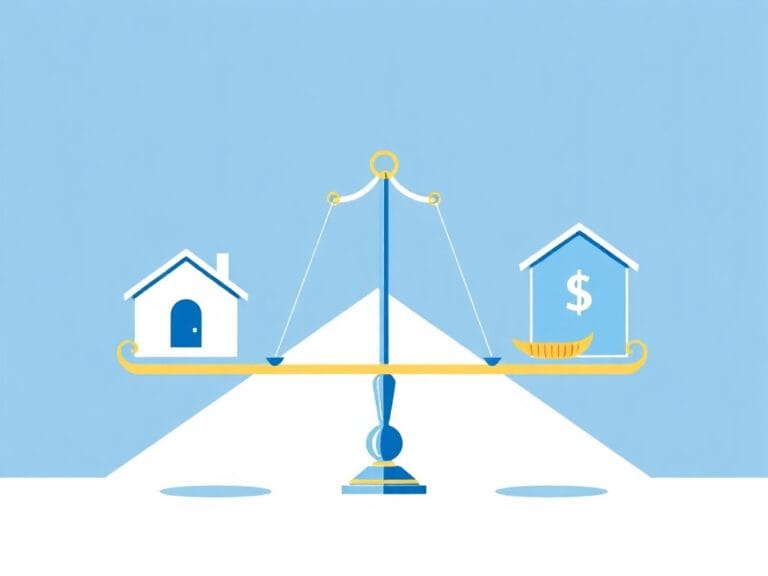
Liquidity vs. Profitability: Finding the Balance
Liquidity and profitability are two core financial priorities, and they often pull in opposite directions. If you need quick access to cash, liquidity matters more. If your goal is stronger long-term growth, profitability usually takes the lead.
This tradeoff shows up in personal finance, investing, and business decisions alike. The real question is rarely which one is better in general. It is which one fits your timeline, your goals, and your comfort with risk.
Liquidity vs. Profitability at a Glance
Liquidity
Liquidity is the ability to turn an asset into cash quickly, with little or no loss in value. In everyday finance, that usually means cash, savings, or other assets you can access without much delay.
Liquidity is especially useful for emergency funds, short-term goals, and anyone who wants flexibility. It lowers the chance that you will have to sell something at the wrong time just to cover a bill or surprise expense.
Profitability
Profitability is the ability of an asset, investment, or business to generate returns over time. In investing, higher profitability often comes with more volatility, a longer holding period, or less immediate access to your money.
This is why profitability usually appeals more to long-term investors and growth-focused plans. If you want to estimate how different return rates could affect your outcome, the Investment Return Calculator can help you model the difference.
Key idea
Liquidity protects access to cash. Profitability aims to grow wealth. The tradeoff is that assets with higher return potential often come with less flexibility or more price swings.
Key Differences
| Feature | Liquidity | Profitability |
|---|---|---|
| Primary goal | Fast access to cash | Higher returns over time |
| Risk level | Usually lower | Usually higher |
| Return potential | Typically modest | Potentially higher |
| Access to funds | Easy and quick | May be delayed or restricted |
| Best for | Emergency funds, short-term needs | Long-term wealth building |
| Price volatility | Usually low | Often higher |
| Examples | Cash, savings accounts, money market funds | Stocks, growth funds, business reinvestment |
| Decision factor | Need for flexibility | Need for growth |
In practice, the decision usually comes down to timing. If you may need the money within months, liquidity matters more. If you can leave it invested for years, profitability starts to matter more.
For readers comparing cash-like options with market exposure, High-Yield Savings vs Investing is a helpful companion guide. It shows how short-term safety and long-term growth can work together in one plan.
Liquidity: Pros and Cons
Pros
- Money is available quickly for emergencies or planned expenses.
- Lower likelihood of being forced to sell during market downturns.
- Helps stabilize cash flow for households and businesses.
- Reduces stress when income is irregular or uncertain.
Cons
- Usually offers lower returns than less liquid investments.
- Inflation can slowly reduce purchasing power over time.
- Too much cash can leave long-term goals underfunded.
- Even liquid assets can carry opportunity cost.
A simple example makes this clear. If you keep $10,000 in a savings account, you get immediate access to it. But if the interest rate is below inflation, the money may quietly lose real purchasing power over time.
Estimate the growth of your cash balance
See how different savings or investment rates may affect your money over time.
Profitability: Pros and Cons
Pros
- Greater potential to grow wealth over the long term.
- Better fit for retirement, education, and other distant goals.
- Can help outpace inflation when returns are strong enough.
- Allows capital to compound instead of sitting idle.
Cons
- May involve higher volatility and possible losses.
- Money can be harder to access quickly without selling at a bad time.
- Returns are not guaranteed.
- Can be a poor fit for short-term needs or emergency reserves.
Suppose you invest $10,000 in an asset that averages 8% annual returns. Over 10 years, that could grow to about $21,589 before taxes and fees. That is exactly why profitability matters for long-term goals. At the same time, it also assumes you can stay invested through the ups and downs along the way.
To compare possible outcomes more directly, the ROI Calculator can help you measure how much return an investment or business decision may generate relative to what you put in.
Tradeoff to remember
Higher profitability often means lower liquidity. If you may need the money soon, a higher-return asset can become a problem if you are forced to sell during a dip.
Which One Should You Choose?
The right choice depends on what the money is for. In general, liquidity should come first when you need access soon, while profitability should come first when the goal is long-term growth.
Choose liquidity if you are a beginner
Beginners often do better with more accessible money because it reduces the chance of rushed decisions. A liquid cash buffer also makes it easier to handle surprises without taking on debt or selling investments early.
If you are building an emergency reserve or saving for something near-term, liquidity is usually the more practical choice. You may also find Emergency Fund vs Investing useful when deciding how to split your first dollars.
Choose profitability if you are a long-term investor
Long-term investors usually have time to ride out volatility, which makes profitability more important. If your goal is retirement in 10, 20, or 30 years, keeping too much money in low-yield cash may make it harder to reach your target.
For retirement-focused planning, the Retirement Calculator can help you estimate whether your current savings and contribution rate may support your future needs.
Choose a balance if you want both safety and growth
Most people do not need to choose one extreme. A common approach is to keep short-term money liquid while investing long-term money for better returns. That gives you flexibility now and growth potential later.
For example, you might keep three to six months of expenses in a savings account and invest extra cash in diversified assets. This way, you preserve access to emergency money without giving up all return potential.
Simple rule of thumb
Use liquidity for money you may need within 12 months. Use profitability for money you can leave untouched for several years or longer.
Real-world comparison example
Imagine you have $15,000. If you expect to need $5,000 within the next year for repairs or travel, that portion should probably stay liquid. The remaining $10,000 could be considered for a more profitable but less liquid strategy if your timeline supports it.
This split approach is often more realistic than forcing all your money into one bucket. It helps you avoid the common mistake of chasing returns with money you may need soon.
Common Mistakes
- Keeping too much cash for too long: This can hurt long-term growth and leave you exposed to inflation.
- Chasing returns with emergency money: If the market drops, you may be forced to sell at a loss.
- Ignoring time horizon: A short-term goal should not be funded the same way as a retirement goal.
- Overlooking cash flow needs: Even a profitable investment can be a poor fit if you need regular access to funds.
- Assuming liquidity and profitability are equal: They are not. The market often rewards investors for accepting less liquidity.
To see how inflation can affect cash held for long periods, you can also use the Inflation Calculator. It is a useful reminder that cash safety and real purchasing power are not the same thing.
Frequently Asked Questions
Is liquidity always better than profitability?
No. Liquidity is better when access to cash matters most, but profitability is often better for long-term wealth building. The best choice depends on your timeline and financial goals.
Can I have both liquidity and profitability?
Yes. Many investors use a layered approach: cash for emergencies and diversified investments for long-term growth. That is often the most practical way to balance access and returns.
What is the safest way to stay liquid?
Common liquid options include savings accounts and money market funds, though each has different yield, risk, and access features. The safest choice is usually the one that matches your need for quick access without unnecessary risk.
Why do profitable investments tend to be less liquid?
Assets that offer higher expected returns often require a longer commitment or involve more price movement. That tradeoff is one reason investors are compensated with the possibility of greater gains.
How do I decide the right balance?
Start by separating money by purpose and time horizon. Near-term needs should stay liquid, while money for goals years away can usually be directed toward more profitable investments.
If you are mapping out a specific target amount, our Savings Goal Calculator can help you estimate how much to set aside and how long it may take to reach your goal.
Bottom Line
In the liquidity vs. profitability debate, the best answer is usually a mix: keep enough cash available for stability, then invest the rest for growth. That approach helps you stay flexible without sacrificing long-term progress.
For additional context and source verification, see Investopedia investment basics and SEC investor guidance.
Disclaimer
The information in this article is for educational purposes only and should not be considered financial advice. Always do your own research or consult a financial advisor before making investment decisions.
Last updated: August 9, 2026
Educational notice: This article is for educational purposes only and is not investment, tax, or legal advice. Read the full disclaimer.